
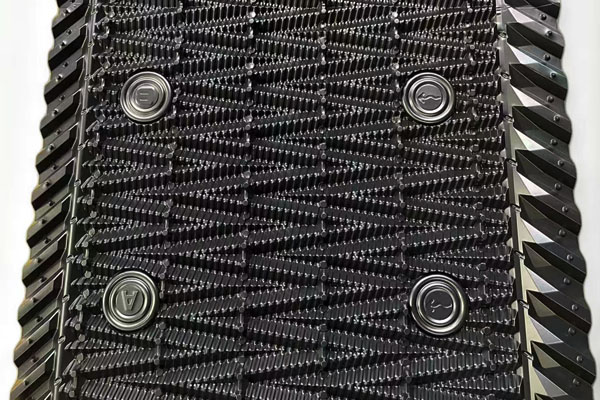
As industries continue to focus on energ
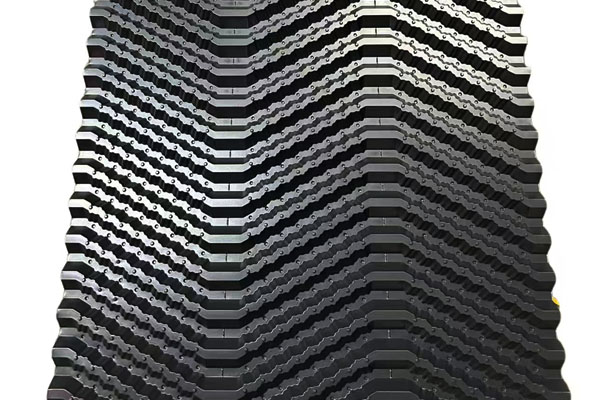
The global cooling industry is experienc
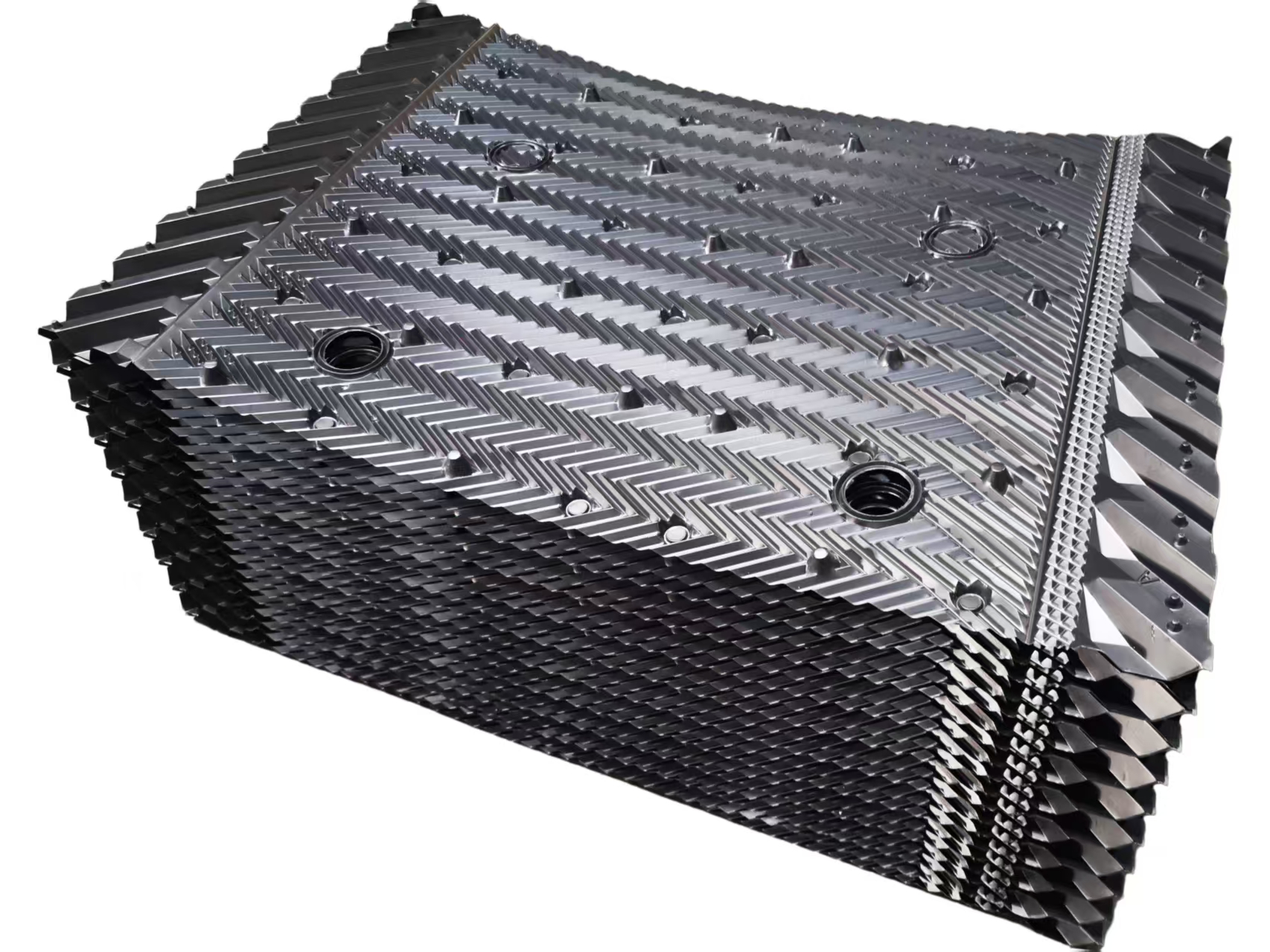
Counterflow vs Crossflow Film Fill: Engi
When engineers compare different Cooling Tower Fill options, conversations usually focus on heat transfer efficiency, material selection, or service life. One specification that often receives less attention is pressure drop. However, after working on cooling tower upgrades for many years, many engineers realize that pressure drop has a direct impact on fan energy consumption, cooling performance, and operating costs.
Some buyers believe that lower airflow resistance always produces a better cooling tower. Unfortunately, the reality is more complicated. A Cooling Tower Media with extremely low pressure drop may also provide less contact between air and water, reducing heat transfer efficiency. The goal is not to find the lowest resistance, but to find the right balance.
Pressure drop describes the resistance that air experiences while passing through the tower fill. Every piece of Cooling Fill creates some airflow resistance because the air must travel through narrow channels formed by the fill sheets.
This resistance is completely normal and even necessary. Without sufficient contact between air and water, evaporation cannot occur efficiently.
Many engineers make the mistake of comparing only thermal performance. In reality, a cooling tower is a complete system. If a fill design improves cooling by only 2** but increases fan power by 15**, the operating cost may actually become higher.
The best Film Fill Cooling Tower design balances:
Counterflow systems are generally more sensitive to airflow resistance because air moves upward against falling water. Fill selection should focus on maintaining stable airflow while maximizing heat transfer.
For many retrofit projects,Counterflow Film Fillprovides an excellent balance between efficiency and acceptable pressure loss.
Crossflow towers introduce air horizontally. Although airflow distribution differs from counterflow systems, pressure drop still influences fan performance and cooling capacity.
Many facilities useCrossflow Film Fillto maintain stable airflow across the entire fill pack.
Modern Corrugated Fill is carefully engineered rather than randomly shaped. The corrugated pattern forces air and water to mix more effectively, increasing evaporation without creating unnecessary airflow restriction.
Engineers sometimes assume smoother surfaces are always better because they reduce resistance. In practice, perfectly smooth surfaces often reduce heat exchange efficiency.
PVC Cooling Tower Fillis widely used because it combines good thermal performance, low weight, and economical manufacturing. It performs well in commercial HVAC and most industrial cooling applications.
For aggressive chemical environments or higher operating temperatures,PP Cooling Tower Filloffers improved durability and chemical resistance while maintaining stable structural performance.
These symptoms often indicate fouling, scaling, or damaged tower fill rather than problems with the fan itself.
When evaluating suppliers, ask more than just the pressure drop value. Also compare material quality, sheet design, service life, manufacturing consistency, and engineering support.
The lowest pressure drop does not automatically mean the best Cooling Tower Fill. A balanced design usually delivers lower lifetime operating costs than one optimized for a single specification.
Many retrofit projects require custom block sizes because existing cooling towers vary significantly between manufacturers. Custom-sized Cooling Tower Media can improve installation efficiency while maintaining designed airflow characteristics.
Supporting products such asCooling Tower Air Inlet LouversandDrift Eliminatorshelp maintain proper airflow and reduce unnecessary water loss.
Pressure drop is not simply a technical specification on a product datasheet. It directly influences cooling efficiency, fan energy consumption, and long-term operating costs. Instead of choosing the Cooling Tower Fill with the lowest resistance, engineers should look for a well-balanced design that delivers reliable thermal performance throughout the life of the cooling tower.
Cooling Tower Fill Media industry updates and technical insights for global clients.
As industries continue to focus on energy efficiency and water conservation, cooling tower fill has
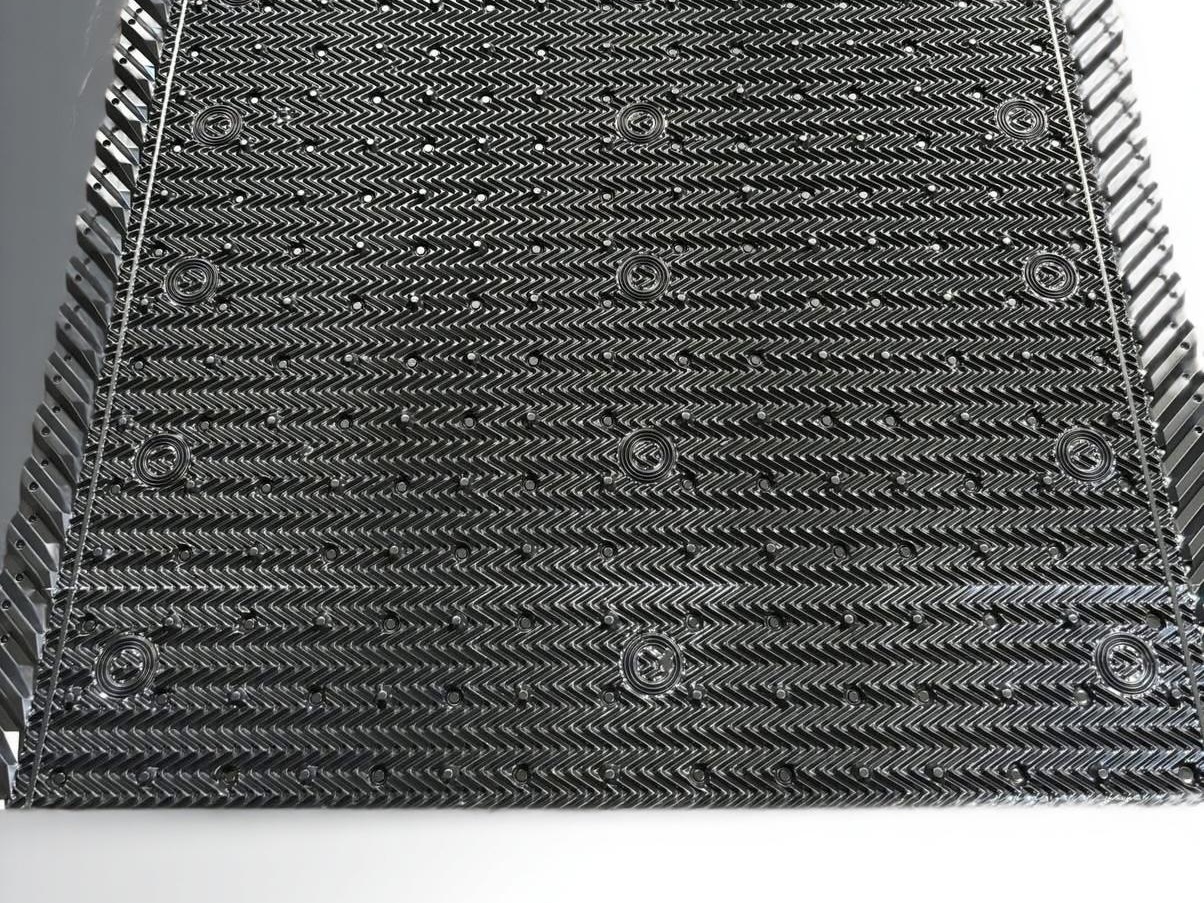
Cooling Tower Fill Pressure Drop Explained: Why Lower Airflow Resistance Does Not Always Mean Better
Get in touch with our team for cooling tower fill media details, quotations, and project technical support.
Chat on WhatsApp