
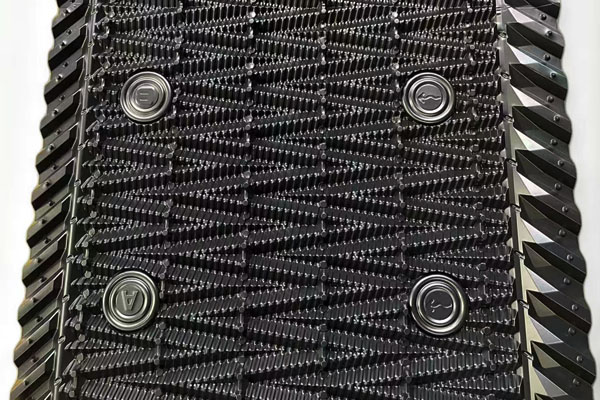
As industries continue to focus on energ
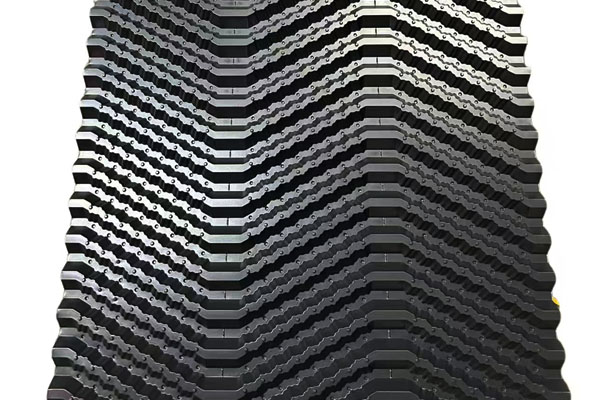
The global cooling industry is experienc
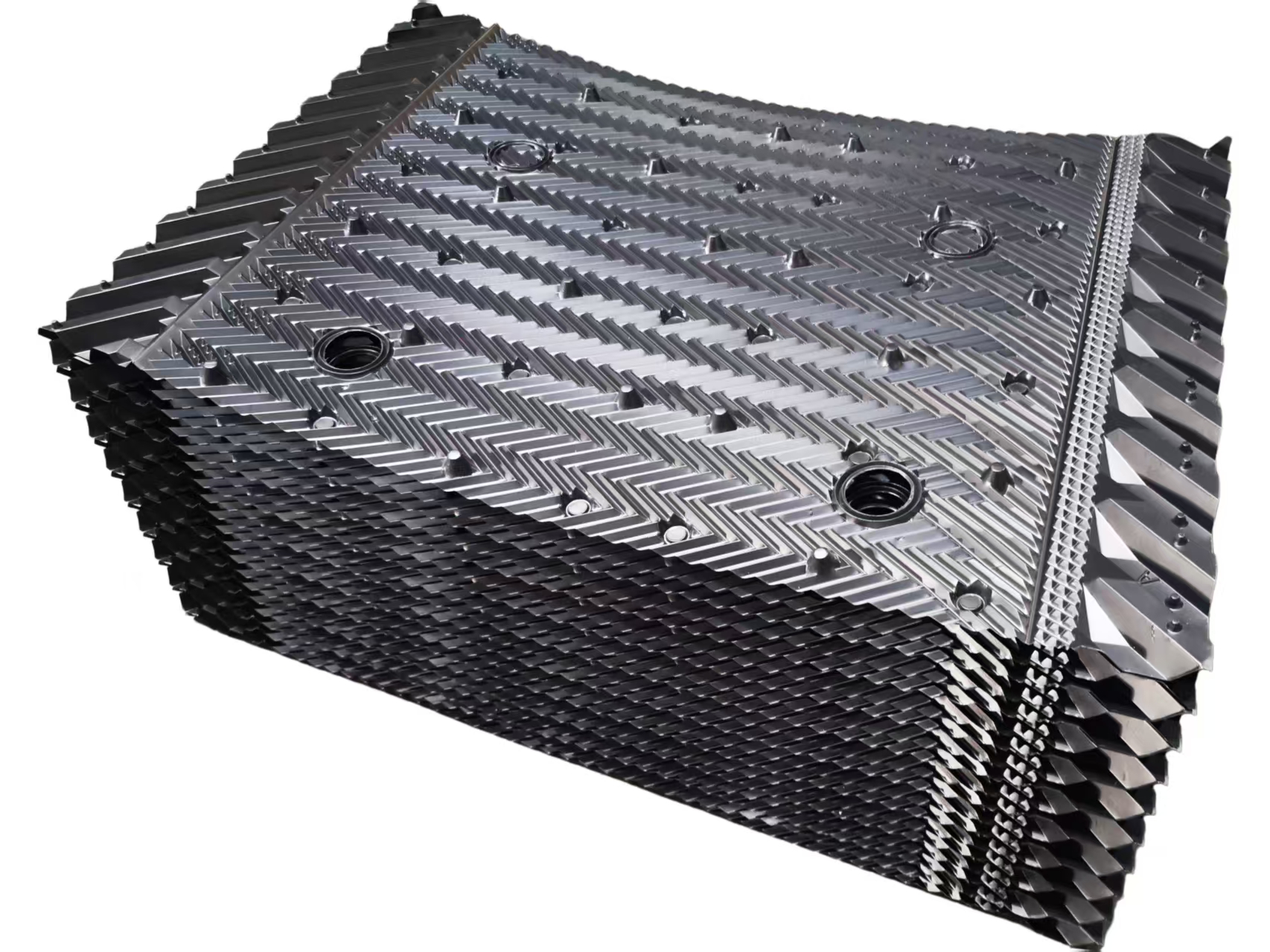
Counterflow vs Crossflow Film Fill: Engi
For many industrial facilities, replacing Cooling Tower Fill is not something that happens every year. In most cases, engineers only start looking for new tower fill after several years of operation, when the original components have become damaged, unavailable, or no longer provide the required cooling performance.
One common situation faced by maintenance teams in Europe and North America is this: the original cooling tower manufacturer is no longer available, the original fill model has been discontinued, or the equipment documentation is incomplete.
At this point, many buyers search for replacement Cooling Tower Media and assume that matching the old dimensions is enough. However, experienced engineers know that selecting replacement fill requires more than simply copying the original specification.
A cooling tower works as a complete system. The fill design affects airflow, water distribution, heat transfer efficiency, and fan energy consumption.
When replacing old fill, engineers need to consider whether the original design was still the best option for current operating conditions.
A factory may have changed its production requirements over the years. A cooling tower that originally handled one process load may now operate under different conditions.
Before purchasing new Cooling Tower Fill, collecting accurate information can prevent expensive mistakes.
The first question is whether the tower is a counterflow or crossflow design.
Different tower structures require different fill designs because air and water move differently.
For example,Counterflow Film Fillis designed for applications where air moves upward against falling water.
For horizontal airflow systems,Crossflow Film Fillprovides a suitable solution for crossflow cooling tower applications.
Measurements should include:
Accurate measurement helps ensure the replacement fill fits correctly without modifying the tower structure.
Many customers replace fill because the tower no longer achieves the original cooling temperature.
Before replacement, engineers should record:
One of the most important decisions in replacement projects is selecting the correct fill structure.
Film Fill creates a thin water layer across the surface of the fill sheets. This provides a large heat exchange area and excellent cooling efficiency.
It is commonly used in:
Some customers focus too much on maximum efficiency and ignore water quality conditions.
If the circulating water contains high levels of suspended solids, a highly compact film fill may not always be the best choice.
In these situations,Splash Grid Fillcan provide better resistance against blockage.
PVC remains one of the most popular choices for replacement projects because it offers a good balance between cost and performance.
It is suitable for standard industrial and commercial cooling applications.
PVC Cooling Tower Fillis widely selected when operating conditions are stable.
For more demanding applications, PP material provides better resistance against chemicals and higher temperature environments.
PP Cooling Tower Fillis often chosen for chemical plants, coastal facilities, and challenging water conditions.
Many older cooling towers were designed decades ago. Standard modern fill sizes may not always match their internal structure.
Custom manufacturing allows engineers to maintain:
A customized solution can often extend the life of an existing tower without expensive structural changes.
When replacing Cooling Tower Fill, it is a good opportunity to inspect other internal components.
Damaged airflow components can reduce the benefit of new fill installation.
For example:
Not always. Similar dimensions do not guarantee similar performance. Fill structure, material, and airflow requirements should also be considered.
Custom products may require additional manufacturing work, but they can reduce installation problems and provide better long-term value for retrofit projects.
Replacing original OEM Cooling Tower Fill is not simply a maintenance purchase. It is an opportunity to improve cooling efficiency, reduce operating costs, and extend the service life of an existing system.
By considering tower type, material, fill structure, and actual operating conditions, engineers can select the right Cooling Tower Media solution instead of only replacing old parts.
Cooling Tower Fill Media industry updates and technical insights for global clients.
As industries continue to focus on energy efficiency and water conservation, cooling tower fill has
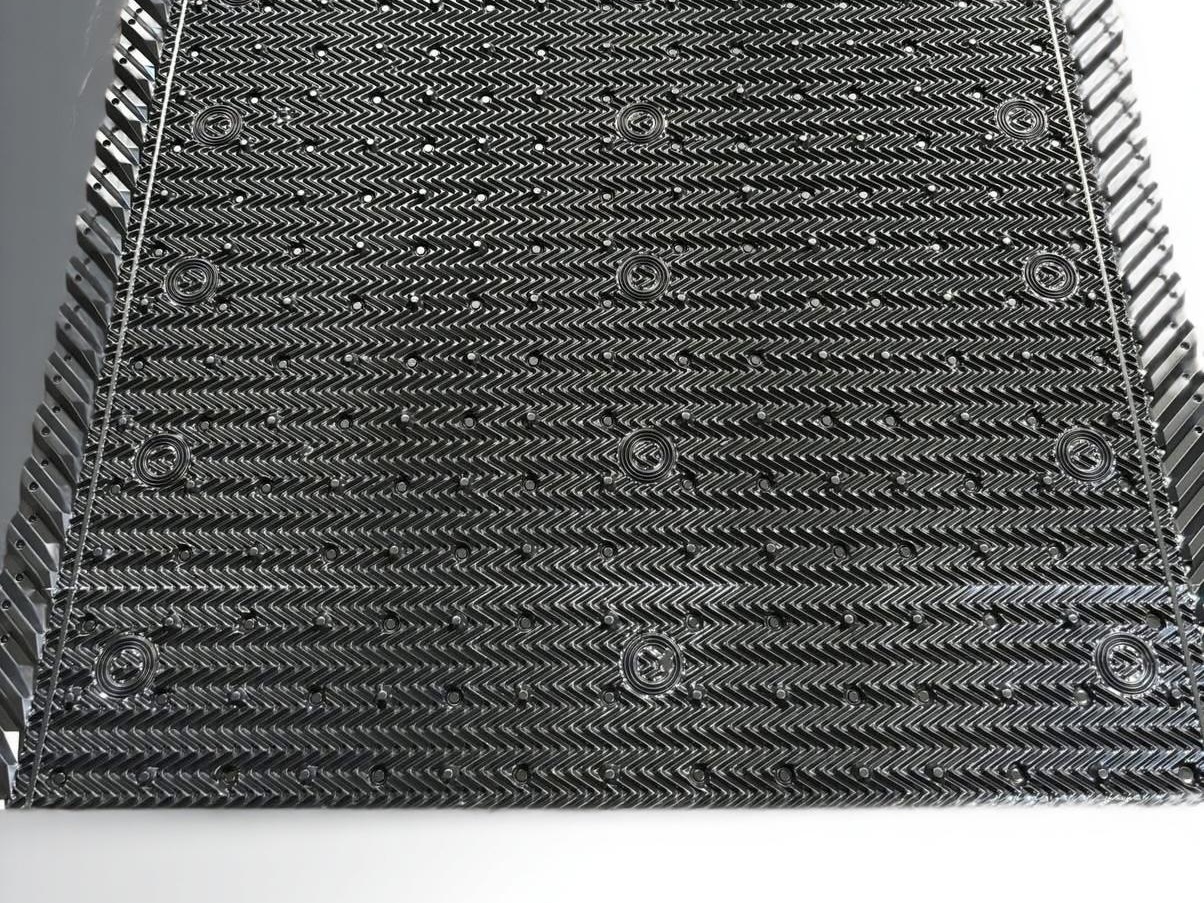
Cooling Tower Fill Pressure Drop Explained: Why Lower Airflow Resistance Does Not Always Mean Better
Get in touch with our team for cooling tower fill media details, quotations, and project technical support.
Chat on WhatsApp