
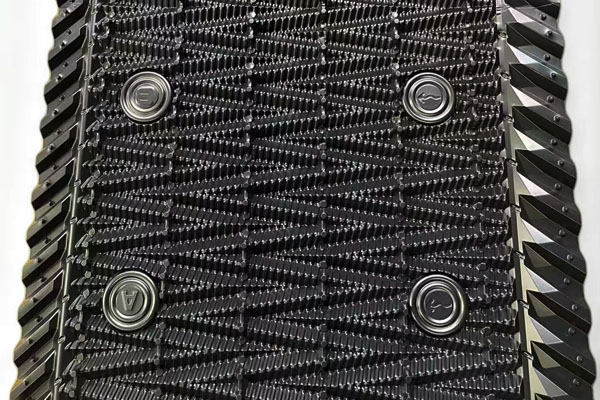
As industries continue to focus on energ
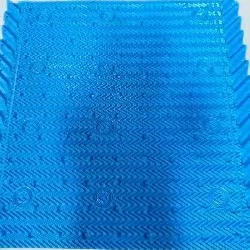
How to Choose Cooling Tower Fill When Re

The global cooling industry is experien
When cooling tower fill becomes dirty, it is easy to assume that the fill needs to be replaced immediately. For splash grid systems, however, the type and location of the deposits should be considered before making a replacement decision.
Cooling tower water can contain suspended solids, biological growth, scale, or other contaminants. These materials can accumulate on different parts of the fill and may affect operation in different ways.
Film fill has closely formed passages, so severe fouling can restrict water and airflow through the structure. Splash grid media has a more open structure, but fouling can still affect water distribution, splash behavior, and maintenance requirements.
For applications where fouling is a major concern, How Does Splash Grid Fill Handle Fouling-Prone Cooling Water provides a relevant configuration to consider.
Identifying the deposit helps determine whether the problem is mainly related to water treatment, tower contamination, cleaning practices, or the fill structure itself.
Fouling should not be evaluated separately from water distribution. If nozzles are blocked or water is unevenly distributed, some parts of the splash fill may receive a different water load from the rest of the tower.
If the project also includes cross-flow fill sections, Multi-Specification Cross Flow Cooling Tower Fill can be considered where the tower requires a different fill configuration.
Replacement becomes more relevant when the fill is physically damaged, seriously deteriorated, heavily fouled, or no longer maintains the required operating condition.
However, replacing the fill without correcting the source of fouling can simply lead to the same problem again. Water quality and treatment conditions should therefore be reviewed as part of the replacement project.
For splash grid applications, fouling should be evaluated as part of the complete cooling-water system. Checking the deposit type, water distribution, maintenance condition, and fill structure provides a more useful basis for deciding whether cleaning, operational adjustment, or replacement is required.
Cooling Tower Fill Media industry updates and technical insights for global clients.
As industries continue to focus on energy efficiency and water conservation, cooling tower fill has
Cooling Tower Maintenance in Food and Beverage Plants: When Fill Fouling Becomes a Production Proble
Get in touch with our team for cooling tower fill media details, quotations, and project technical support.
Chat on WhatsApp